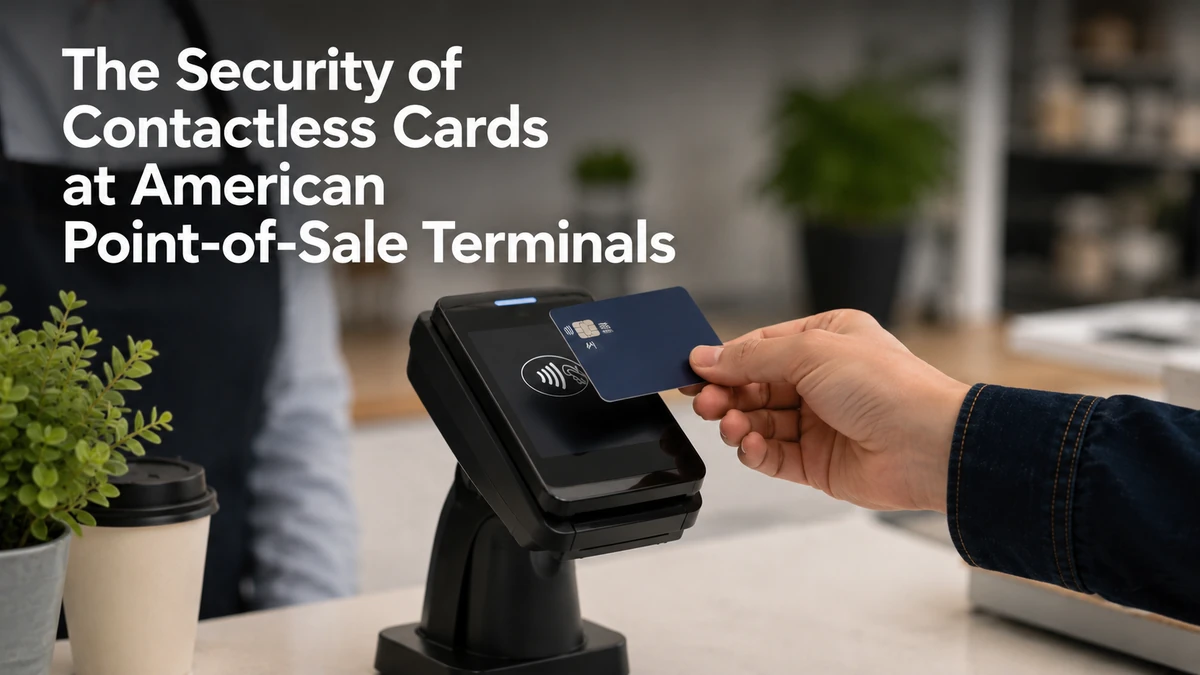
In an increasingly digital economy, credit cards have evolved far beyond plastic, offering tools designed for speed, security, and precision. Virtual versions are one of the most practical innovations, allowing consumers to make purchases without exposing permanent card details.
How digital credentials reshape daily transactions
Virtual options are generated instantly through banking apps, creating unique numbers that can be used for specific purchases or merchants. This flexibility allows users to separate subscriptions, one-time payments, and regular expenses without opening multiple accounts.
Another advantage lies in immediacy. There is no waiting period or physical delivery involved, making these tools ideal for spontaneous needs or urgent online purchases. This immediacy supports convenience without sacrificing oversight, as users retain the ability to monitor and adjust usage in real time.
Built-in safeguards that support control
Security is a defining feature of digital credentials. Many can be paused, deleted, or regenerated instantly, reducing exposure if details are compromised. This temporary nature limits risk and helps users feel more confident when shopping online or using unfamiliar platforms.
Beyond protection, these safeguards encourage intentional spending. Setting limits or restricting usage to certain vendors transforms payment tools into budgeting allies. Instead of reacting to expenses after they occur, consumers can define boundaries in advance, reinforcing disciplined financial behavior.
Integrating flexibility into financial routines
The true value of virtual solutions emerges when they become part of everyday routines. Managing subscriptions, digital services, or shared expenses becomes simpler when each transaction is isolated and transparent.
Ultimately, these tools reflect a broader shift toward personalization in finance. By giving individuals granular control over how and where money moves, digital credentials empower smarter decisions. When used thoughtfully, they turn everyday spending into a more deliberate, secure, and manageable experience that fits seamlessly into modern financial life.
👉 Read also: The Impact of Responsible Use in the USA: Credit Cards and Financial Health