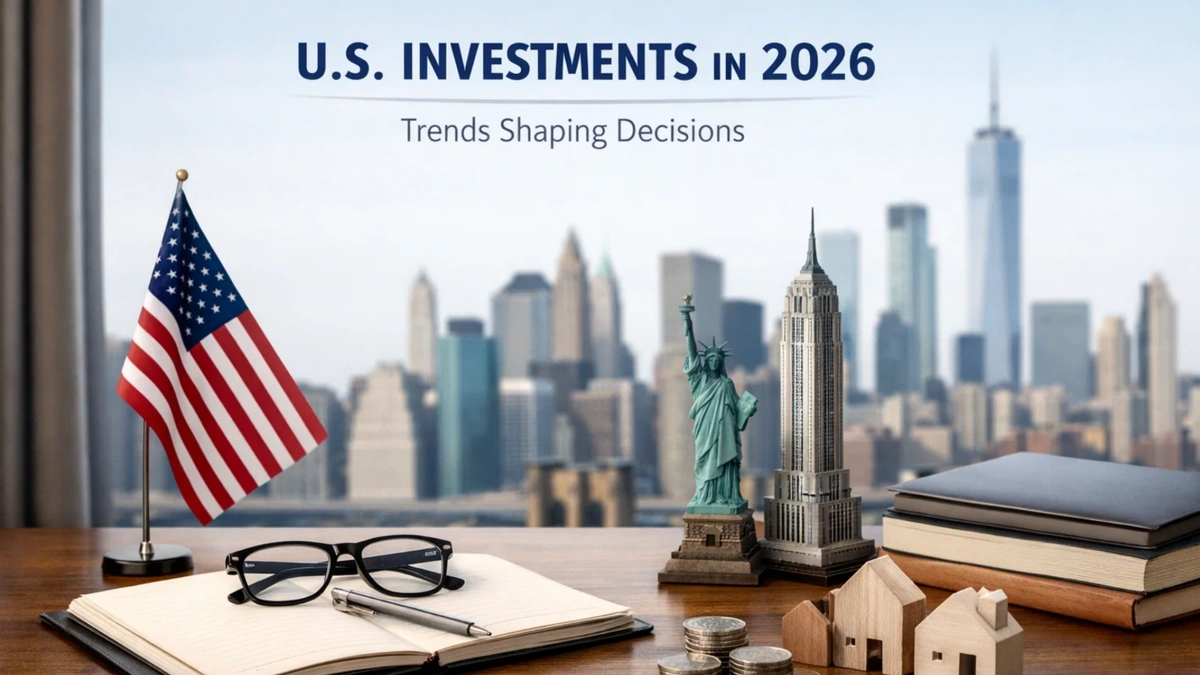
The American property market continues to attract global attention, not only for its size but for its ability to adapt to economic, social, and technological shifts. Understanding how current dynamics influence opportunities is essential for anyone aiming to build or protect wealth through property ownership.
Market dynamics and evolving investor profiles
Over the past decade, the landscape of U.S. property investment has changed significantly. Traditional buyers focused primarily on single-family homes are now joined by international investors, digital nomads, and institutional players seeking diversification.
Urban centers that once dominated attention are being complemented by secondary cities and suburban regions, where quality of life, infrastructure improvements, and relative affordability create new appeal.
These changes have encouraged investors to look beyond conventional assumptions. Instead of relying solely on historical price appreciation, many are evaluating local economic resilience, employment growth, and long-term livability.
Technology, data, and smarter property decisions
Advances in technology have transformed how real estate opportunities are identified and managed. Access to real-time market data, predictive analytics, and digital platforms allows investors to assess risks with greater precision.
Property management tools streamline operations, while virtual tours and online transactions reduce geographical barriers. As a result, decision-making has become more informed and efficient, empowering both seasoned professionals and newcomers to participate confidently in the market.
Technology also supports transparency, making it easier to compare regions, understand rental yields, and anticipate shifts in demand. This data-driven approach encourages long-term thinking rather than speculative behavior, aligning property ownership with sustainable wealth strategies.
Long-term value, resilience, and strategic planning
Beyond short-term returns, U.S. real estate is increasingly viewed as a hedge against inflation and economic uncertainty. Tangible assets offer stability during market fluctuations, particularly when supported by strong legal frameworks and mature financial systems.
Strategic planning now emphasizes adaptability. Properties that can evolve with changing lifestyles, environmental standards, and regulatory expectations tend to retain value more effectively.
👉Read also: Index funds in the U.S.: why they gain ground in the long term