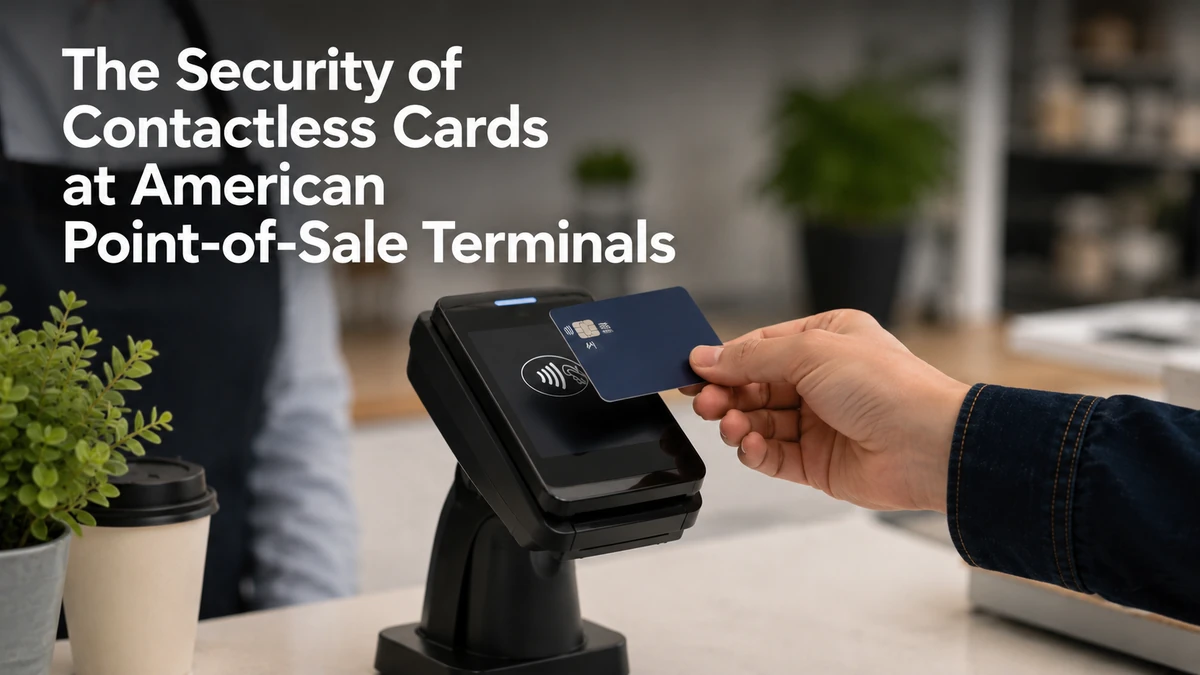
Choosing among credit cards in the United States often goes far beyond interest rates or flashy promotions. These products are built around cost structures that can quietly shape long-term value, especially for consumers who carry balances or seek added perks. Understanding how different charges work helps people move past marketing slogans and focus on what truly fits their financial habits and expectations.
The real meaning behind annual costs
Annual charges are often misunderstood as unnecessary expenses, but they can serve very different purposes depending on the product. Some cards use yearly fees to unlock premium services, stronger protections, or enhanced earning potential. In these cases, the cost is meant to reflect bundled value rather than simple access to credit.
On the other hand, many no-fee options appeal to users who prefer simplicity or minimal commitment. These products can be effective tools for everyday spending, especially when paired with responsible usage.
Hidden charges that shape everyday use
Beyond visible annual costs, other fees can quietly influence the overall experience. Charges related to foreign transactions, balance transfers, or late payments often go unnoticed until they appear on a statement.
Transparency plays a critical role here. Issuers clearly disclose these costs, yet many consumers skip the fine print. Taking time to understand how these charges apply in real scenarios can prevent frustration and help avoid unnecessary expenses that slowly erode the perceived benefits of a card.
Matching costs with personal behavior
The most effective choice is rarely the one with the lowest headline cost, but the one that aligns with real behavior. Someone who travels often may justify higher annual expenses through lounge access or travel credits, while a casual spender may never recover that value.
Long-term satisfaction depends on balance. A well-chosen product feels supportive rather than restrictive, offering flexibility without surprise costs. When fees are understood and intentional, they become part of a broader strategy instead of an unwanted burden.
👉 Interested in the topic? You may also be interested in: Card Rewards in the USA: Strategies to Maximize Points