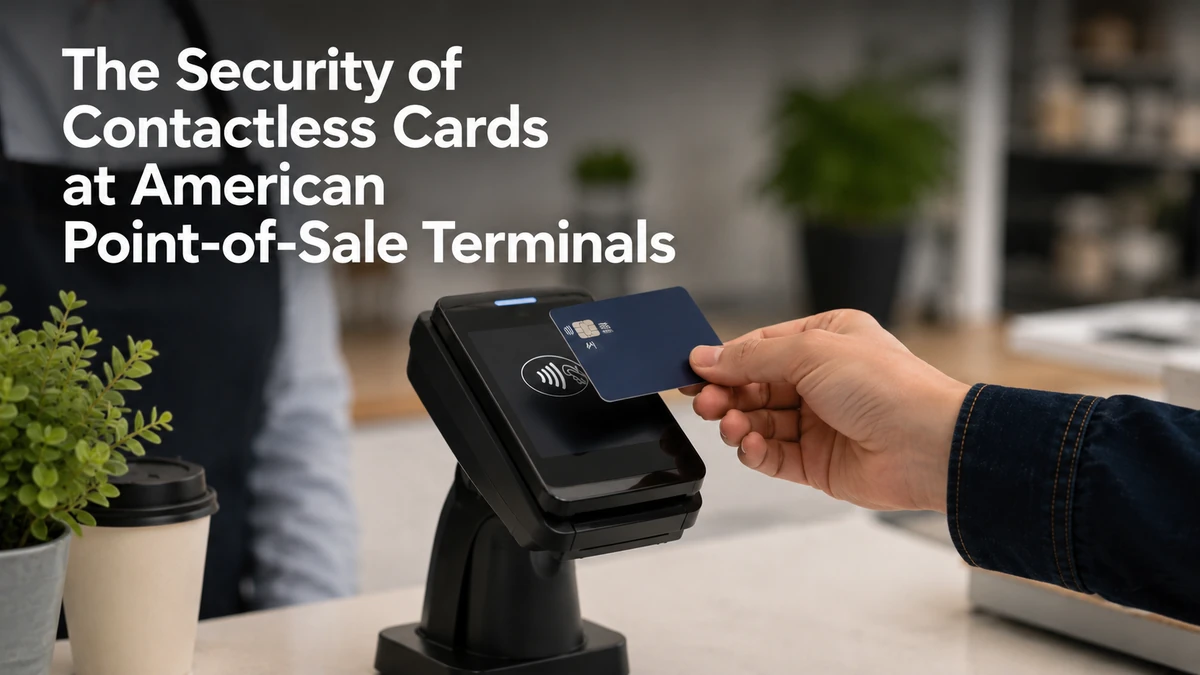
In everyday life, credit cards are expected to work instantly, whether for a morning coffee or an online purchase late at night. When a transaction is unexpectedly denied, the experience can feel confusing or even embarrassing. Behind these moments lies a complex authorization process designed to balance convenience, security, and risk, often reacting to signals that consumers never see.
What happens behind the scenes of approval
Each transaction triggers a rapid exchange of information between the merchant, payment network, and issuing bank. During this process, multiple factors are evaluated, including available balance, spending patterns, and location data.
These decisions are often automated and intentionally conservative. Issuers prefer to err on the side of caution, especially when unusual activity appears. A sudden large purchase, an unfamiliar merchant category, or a transaction far from home can prompt a temporary stop, protecting the account from potential misuse.
When security measures override intent
Protective systems are designed to react quickly, sometimes faster than consumers expect. Fraud detection tools look for inconsistencies, such as mismatched billing information or rapid consecutive charges.
Communication plays a critical role here. Alerts sent via apps or text messages often allow users to confirm activity and restore functionality within minutes. Understanding that these interruptions are safeguards rather than errors can help reduce frustration and encourage faster resolution.
Reducing friction through awareness and preparation
Many denials can be avoided with small proactive steps. Keeping account information updated, notifying issuers of travel, and monitoring spending limits help systems recognize legitimate behavior. Awareness of how patterns influence approvals makes transactions smoother over time.
Ultimately, authorization systems reflect a broader effort to protect both consumers and institutions. While declines can feel inconvenient, they are part of a dynamic framework designed to adapt to changing risks.
👉 Interested in the topic? Also read: Loyalty Programs in the USA: Choices That Prevent Waste